Our Services
The TRG platform is designed to accelerate the global sustainability transformation and support our clients in closing the gap from setting goals to delivering. To ensure innovative, tailored and achievable solutions for our clients, we rely on broad and deep expertise across the spectrum of sustainability and energy topics.
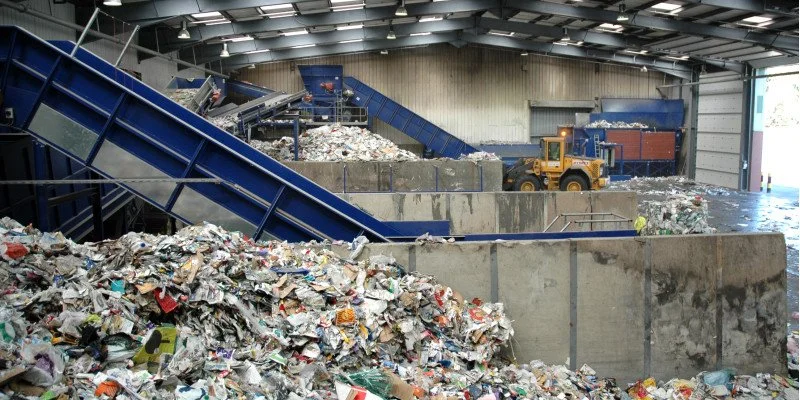
Zero Waste Consulting & Facility Assessments
TRG is focused on consolidating all waste, recycling, and industrial services for our clients to a single point of accountability so that together we can develop a safer and sustainable practices for a healthier future.
Our solutions can help you establish a total waste management program to help assess the entirety of your waste needs. By committing to achieving zero waste to landfill, you can conserve resources and minimize pollution - which can help reduce disposal costs and maintain compliance with regulations.
Alternative Fuels
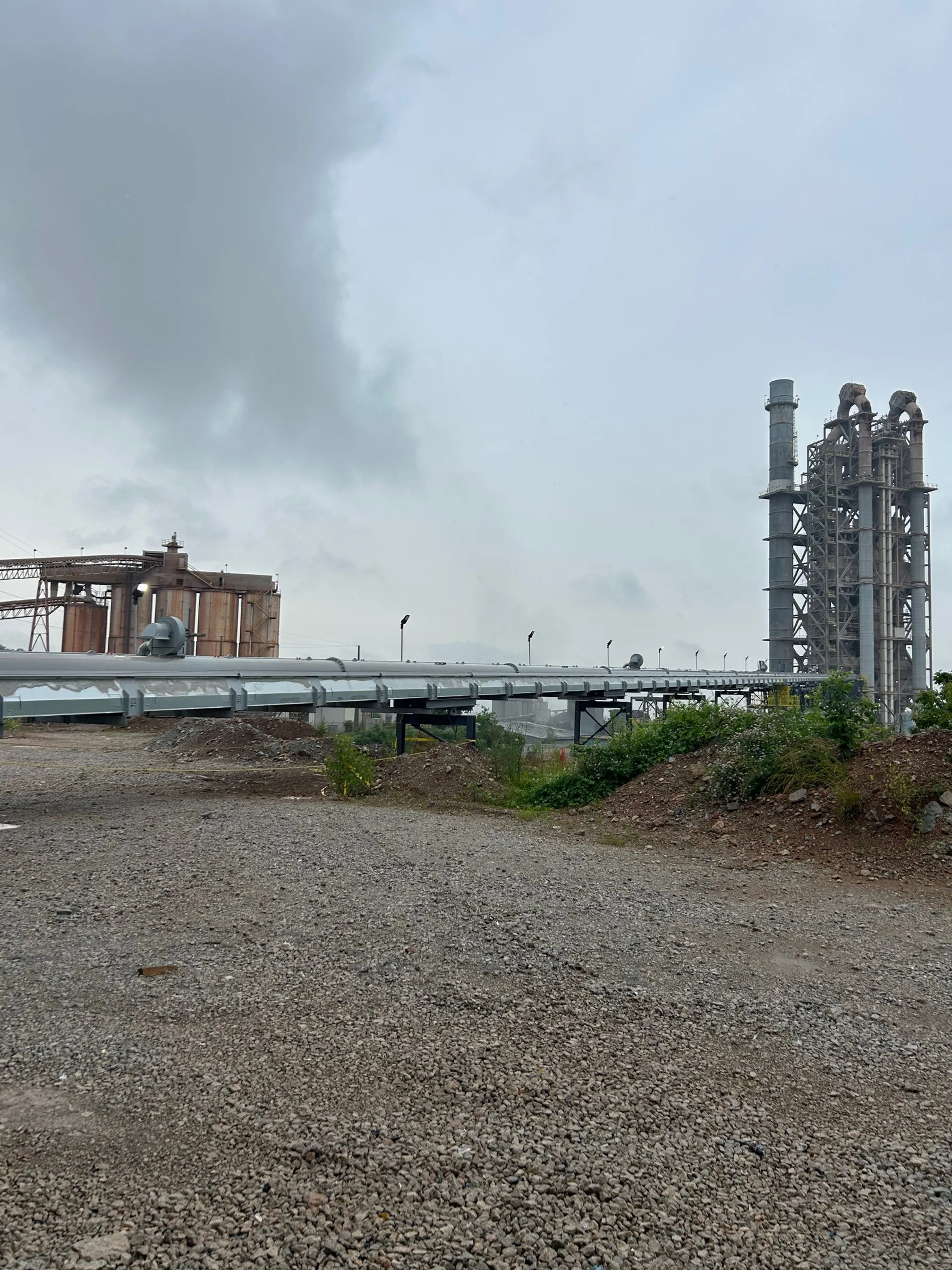
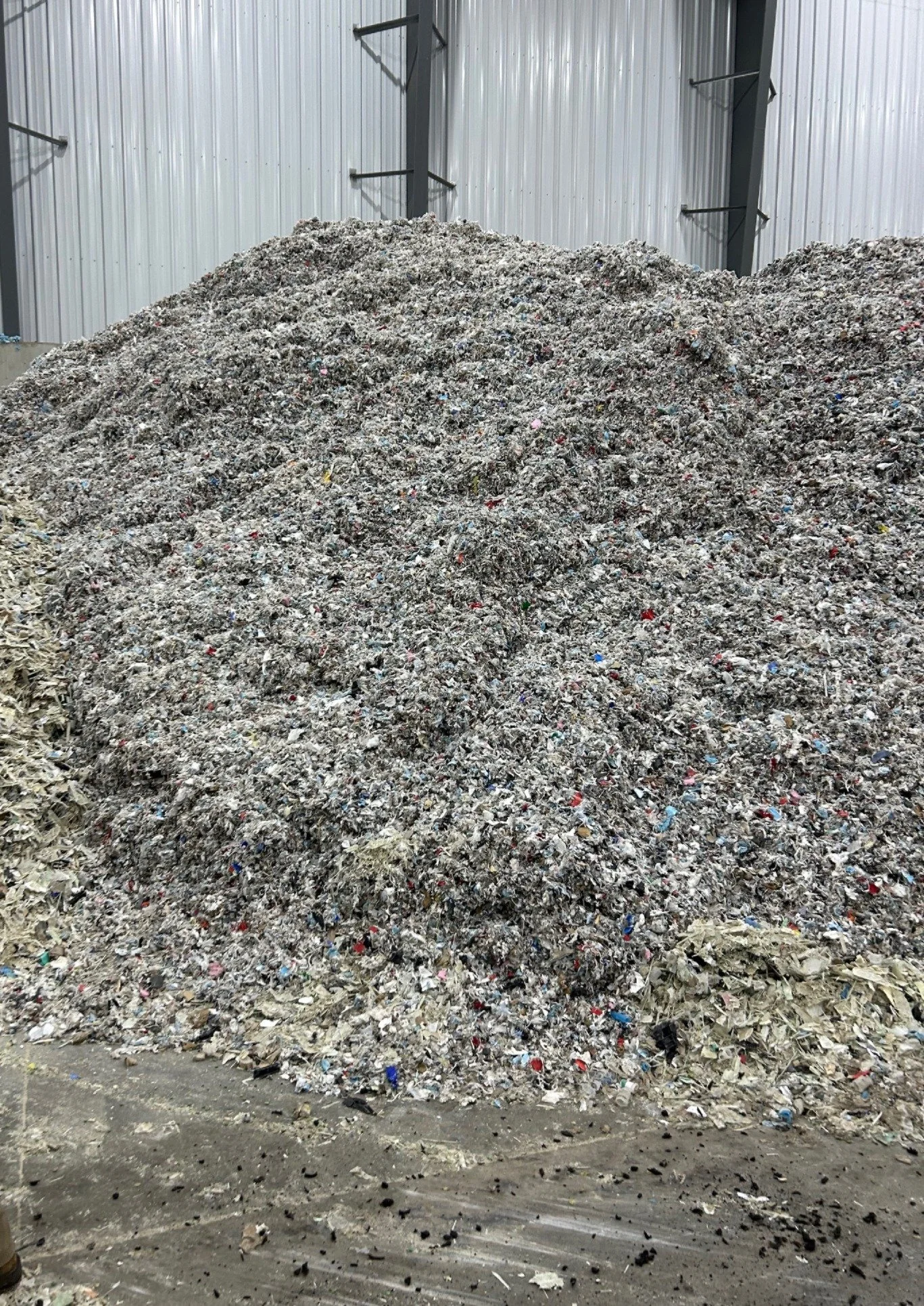
TRG creates alternative fuels derived from non-recyclable materials and wood biomass to be used as fuels to replace non-renewable fossil fuels. Due to the high temperatures in the cement manufacturing process (over 2600°F); these wastes are destroyed, and the energy is recovered.
TRG finds beneficial uses for your manufacturing by-products, and we have strategic partners within the cement industry to process these alternative fuels. We blend high BTU waste streams for use as alternative fuels from the materials listed below:
Composite Materials
Off-Specification Product Materials
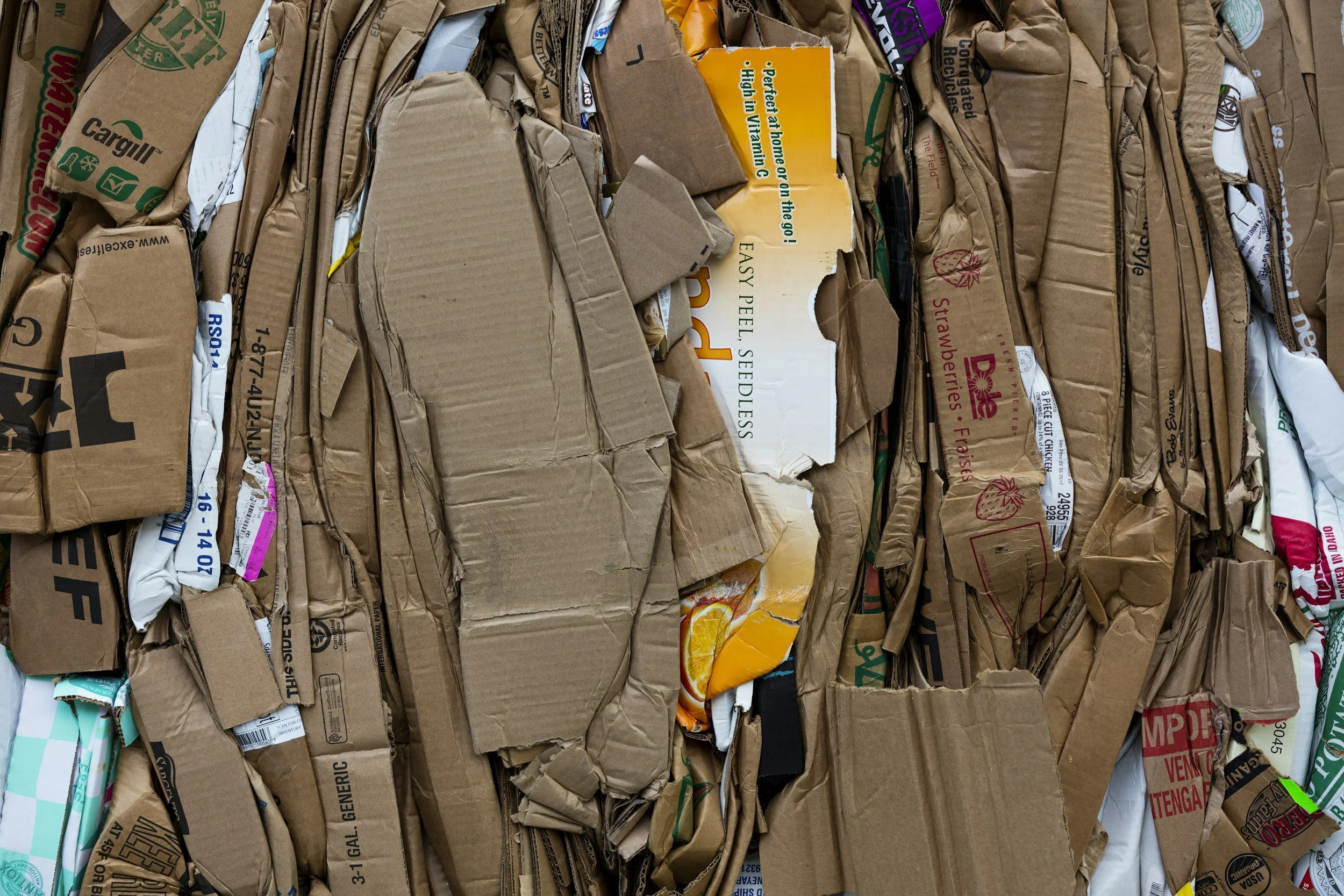
Non-Recyclable Mixed Plastics, Papers, etc.
Railroad Ties
Industrial Debris & Biogenic Materials
Waste Audits & Waste Stream Management
A successful waste management program starts with a waste audit to collect data about what’s in your trash. It’s a physical analysis of your facility’s various waste streams, such as paper, cardboard, aluminum, plastic wrap, food, and more.
Yes, we are talking about a sophisticated analysis of your waste stream. Auditors safely sort through, divide and weigh a representative sample of trash bags or recycling bins to identify, measure and record the types and quantities of waste produced during typical daily or weekly operations at a facility.
With this tangible and quantifiable waste audit data in place, businesses can evaluate and drive waste reduction and sustainability goals. It also helps to identify potential cost savings related to additional diversion streams or from avoided contamination fines and penalties.